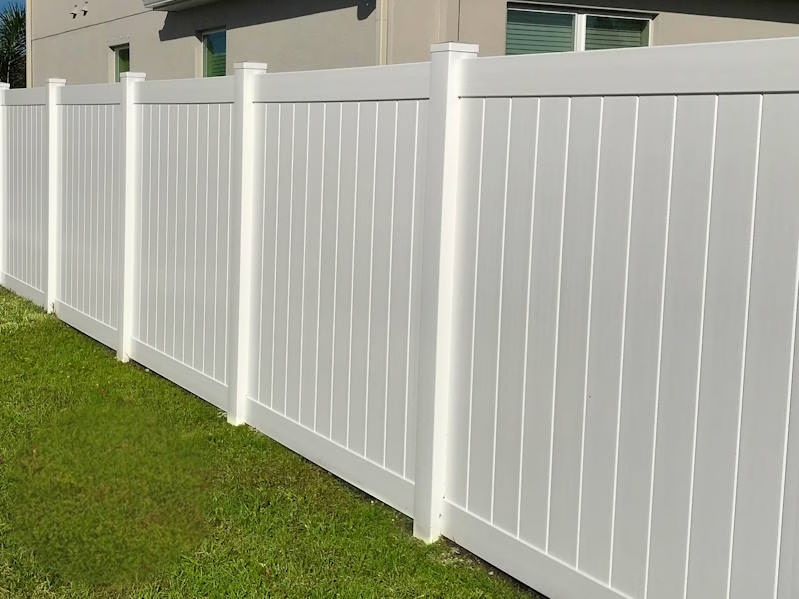
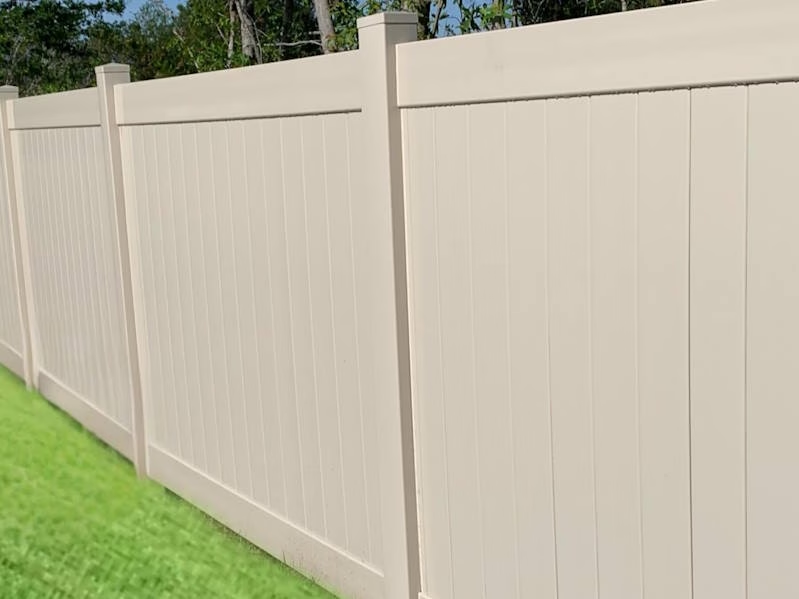
Installing a fence is one of the most common upgrades homeowners make. It can add privacy, security, curb appeal, and value to your property, but before you start digging, you may be wondering: Do I need a permit for my fence?
The answer depends on your location, your property, the type of fence being installed, and sometimes even your homeowners association (HOA). In Plant City and Hillsborough County, there are also important differences depending on whether your property is inside city limits or in unincorporated Hillsborough County.
This guide walks you through what to know before installing a fence and gives you the tools to check your own local requirements.
Why Fence Permits Matter
Not all fences require permits, but when they do, the city or county wants to make sure your project meets local building, zoning, and safety rules.
Skipping this step can lead to:
- Fines or penalties from your local building department.
- Delays if work has to stop until the proper approval is in place.
- Forced changes or removal if the fence does not comply.
- Problems when selling your home if an unpermitted fence gets flagged.
- Extra cost if the fence is installed in the wrong location, over an easement, or against HOA requirements.
Bottom line: a little planning upfront can save you time, money, and stress later.
There are a lot of nuances to putting up a fence correctly. Fence height, material, gate placement, property lines, easements, HOA rules, historic district requirements, and permit paperwork can all affect the project. That is why using a trusted fence company like Save On Fences gives you peace of mind that you are doing it the right way from the start.
Plant City Fence Permits
One of the first things to confirm is whether your property is actually inside the incorporated City of Plant City.
A property can have a Plant City mailing address but still be located in unincorporated Hillsborough County. According to the City of Plant City’s FAQ, if your property is within incorporated city limits, you apply for permits through the City. If the property is outside city limits, you would go through Hillsborough County.
You can review Plant City’s official Building Department information here:
City of Plant City Building Department
Plant City also explains that you can check the Hillsborough County Property Appraiser website to confirm jurisdiction by looking at the “Tax District” designation. If it states “PC Plant City,” the property is within city limits. If it states “U Unincorporated,” the property is located outside city limits in Hillsborough County.
Do You Need a Permit for a Fence in Plant City?
In Plant City, you do need a permit to put a new fence on your property.
However, the City also states that you don’t need a permit if you are replacing a fence with the same material, such as wood with wood or vinyl with vinyl.
You can review the City’s FAQ here:
Plant City Information Search / FAQs
Even when a permit is not required, your fence still needs to comply with applicable zoning, HOA, easement, and property-line requirements. That is where homeowners can run into problems if they assume a replacement fence can automatically go back in the exact same place.
Example: Fence Permits in Hillsborough County, Florida
If your property is outside Plant City limits and located in unincorporated Hillsborough County, the county may handle the permitting rules.
Hillsborough County currently lists certain fences as work exempt from permits, including fences made out of PVC, wood, or chain link. The county still recommends contacting zoning to confirm restrictions or requirements for your area.
You can review the official Hillsborough County page here:
Hillsborough County Work Exempt From Permits
Homeowners in Hillsborough County should still be aware of:
- Height limits: Front-yard, side-yard, and backyard fence rules may vary.
- Corner lots: Visibility rules may apply so fences do not block drivers’ line of sight.
- Easements: Utility, drainage, or access easements can affect where a fence can be installed.
- HOA rules: Even if the county does not require a permit, your HOA may still require approval.
- Pool barriers: Pool fencing may have additional safety requirements.
Notice of Commencement for Projects Over $5,000
For Florida projects where the total job cost exceeds $5,000, a Notice of Commencement may be required.
The City of Plant City FAQ states that for improvements to real property that exceed $5,000, including materials and labor, a Notice of Commencement must be filed with the Hillsborough County Clerk of Court and a copy submitted to the Building Department prior to the first inspection.
You can review the Clerk’s recording information here:
Hillsborough County Clerk Recording Information
The recording cost is typically modest. Recording a Notice of Commencement with the Clerk is commonly around $20, depending on the number of pages and whether copies or certification are needed. Plant City fence permits are also usually a modest cost, often around $74, but permit and recording fees can change, so it is always best to confirm the latest amounts before filing.
HOA Approval Is Not the Same as a Permit
If your home is in an HOA community, you may need HOA approval even if your city or county permit requirements are simple.
HOAs may require:
- A site plan showing where the fence will go.
- Fence height and material details.
- Color approval.
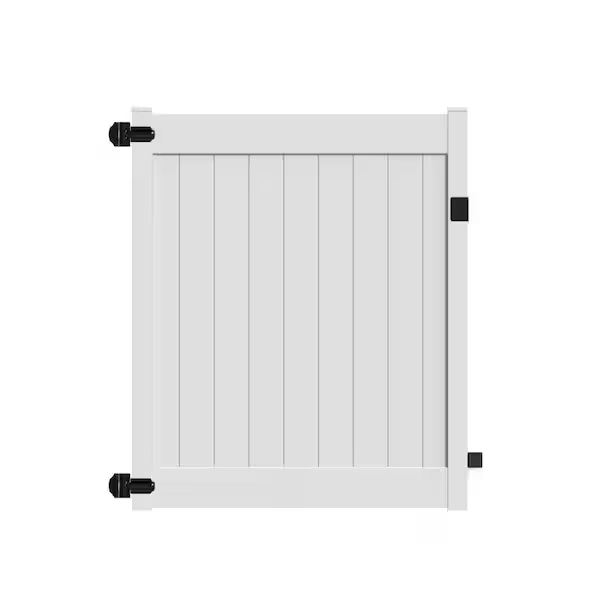
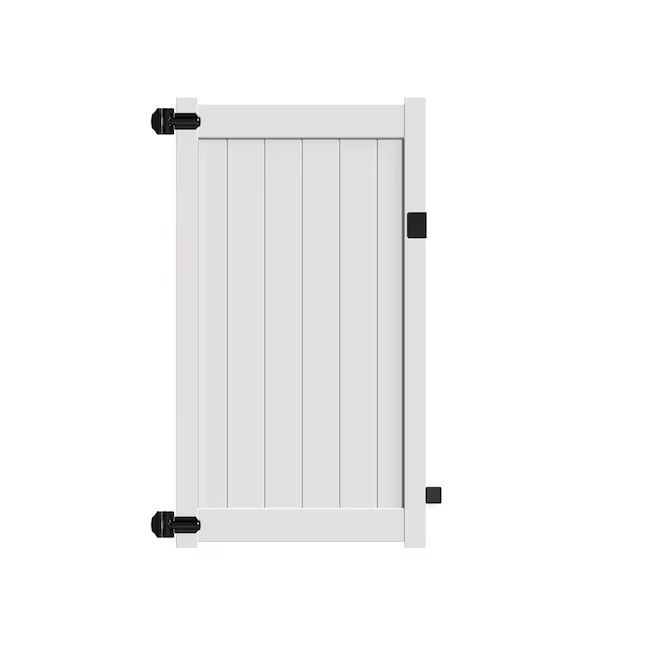
- Gate location.
- Neighbor acknowledgment forms.
- Specific fence styles based on lot location.
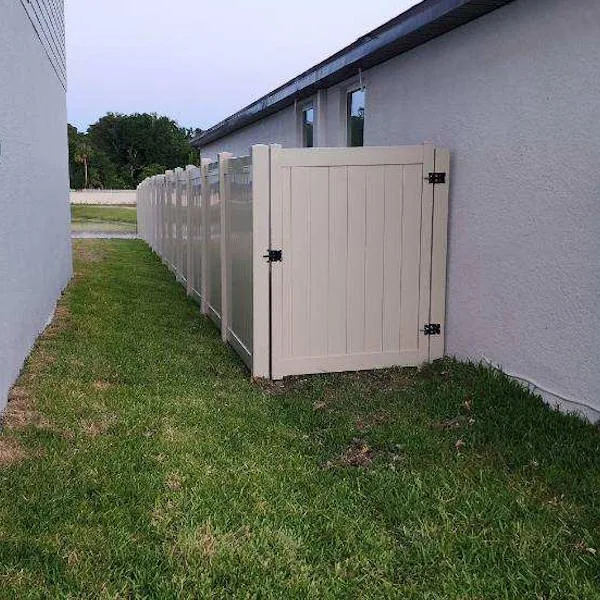
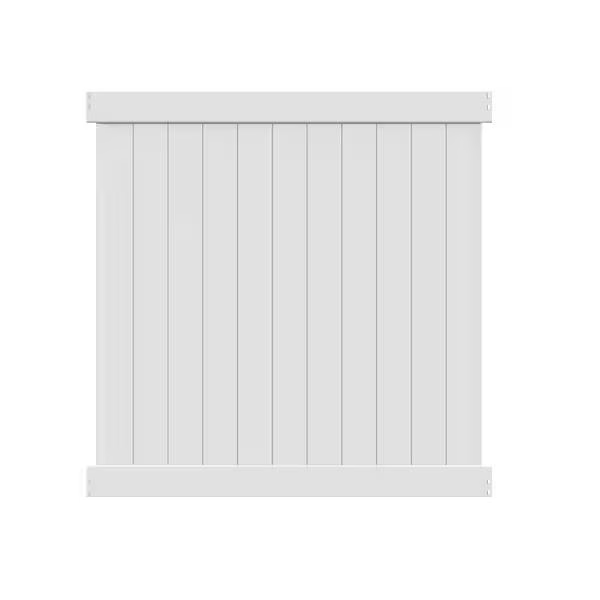
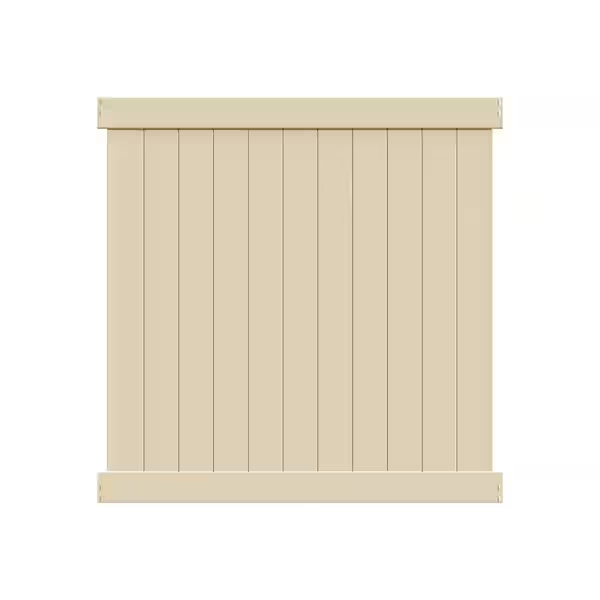
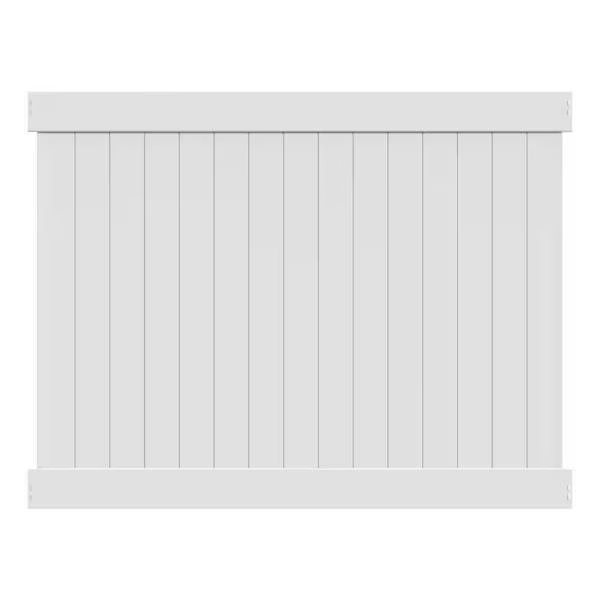
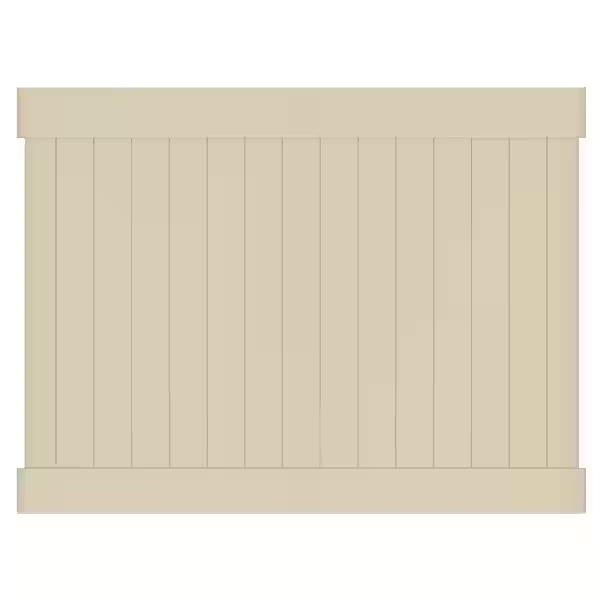
Some HOAs have specific fence style, color, and material requirements. For example, one community may require tan vinyl fence panels instead of white vinyl, while another may require a 3-rail black aluminum fence along ponds, easements, conservation areas, or other open-view areas where full privacy fencing may not be allowed.
The key point: HOA approval and city or county permitting are separate steps. One does not automatically replace the other.
Historic District Fencing in Plant City
If your property is located in Plant City’s historic district, there may be additional requirements before installing or replacing a fence.
Plant City states that a Certificate of Appropriateness is required before work can begin or before a building or demolition permit can be issued for historic properties. The City’s Historic District Design Standards also include guidance for fencing.
You can review the official Historic District resources here:
Plant City Historic District Resources
You can also review the City’s Historic District Design Standards here:
Plant City Historic District Design Standards
If you are in the historic district, do not assume a standard privacy fence can be installed without additional review. Fencing style, placement, height, and materials may be looked at differently in these areas.
How to Find Your Local Fence Rules
Every city and county has its own building department. If you are outside Plant City or Hillsborough County, here is how to check whether you need a permit.
Step 1: Search Online
Search for:
“fence permit” + your city or county name
Examples:
- “fence permit Plant City Florida”
- “fence permit Hillsborough County Florida”
- “fence permit Lakeland Florida”
- “fence permit Polk County Florida”
Step 2: Visit the Official Site
Look for an official city or county website, usually a .gov website. Avoid relying only on third-party sites, because permit requirements can change.
Step 3: Call the Building Department
If the website is not clear, call your city or county building department and ask:
- Do I need a permit for a fence at my property?
- Am I inside city limits or unincorporated county?
- Are there special rules for corner lots, easements, pools, or historic districts?
- What documents or site sketch do I need?
- Is a Notice of Commencement required based on my project cost?
Step 4: Check Your HOA
If you are in an HOA, check with the Architectural Review Committee before the project starts.
Ask whether they require:
- A survey or site plan.
- Fence material and color approval.
- Specific panel height.
- Tan vinyl instead of white vinyl.
- Aluminum fencing along certain lot lines.
- Gate location approval.
- Neighbor approval or acknowledgment.
Quick Takeaways Before You Build
Before starting your fence project, confirm:
- Whether your property is inside Plant City limits or unincorporated Hillsborough County.
- Whether a fence permit is required.
- Whether replacing the same material changes the permit requirement.
- Whether your HOA has separate approval rules.
- Whether your property is in the Plant City Historic District.
- Whether a Certificate of Appropriateness is needed.
- Whether the job is over $5,000 and needs a Notice of Commencement.
- Whether easements, utilities, drainage, sidewalks, or visibility rules affect the fence layout.
- Whether 811 has been called before digging.
A fence seems simple until one small detail creates a delay, extra cost, or compliance issue. Working with a knowledgeable local fence company helps you avoid those headaches.
Need Help With Your Fence Project?
If you are ready to start your project or have more questions, you can call or email Save On Fences. We can help you review your fence options, talk through HOA requirements, and guide you through the details that matter before installation begins.
Disclaimer
This article is for general informational purposes only. Permit requirements, HOA rules, fees, and local codes can change. Requirements may also vary based on your specific property, zoning, easements, flood zone, historic district status, HOA, and project scope.
Final approval of permits, HOA compliance, and local building-code compliance is always the responsibility of the homeowner. Always confirm current requirements with the appropriate city, county, HOA, or building department before work begins.